
0
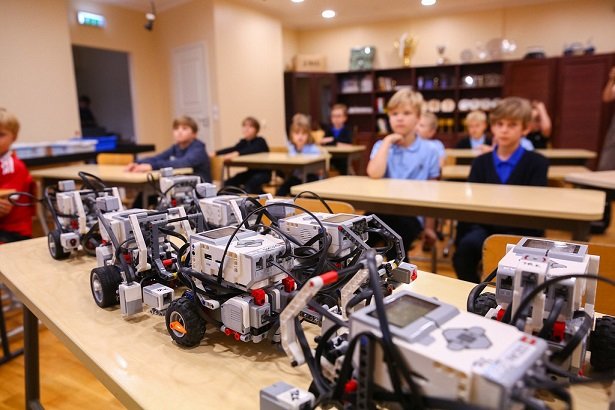
Robotics and Automation is a field that brings together engineering, programming, electronics and intelligent systems to build machines and processes that can do tasks with little help from humans. As more businesses use automation and smart tools robotics is becoming an area for study and jobs in 2026.
Robotics and Automation can be used in different areas like manufacturing, moving goods, health care, research, farming and car making. People who like machines, technology and building things can think about this field as a job choice.
What Do Students Learn in Robotics and Automation?
A strong Robotics and Automation course mixes learning with work. Students might study things like:
• Robotics programming
• Control systems
• Design
• Sensors and electronics
• Automation technologies
• Industrial robotics
• Embedded systems
• Basics of artificial intelligence
• Math and engineering basics
Learning how to code is important because modern robots often use software, sensors and automatic control systems.
Important Skills for Robotics Students
People who want to work in Robotics and Automation need a mix of thinking skills.
Important skills are:
• Coding and thinking
• Math
• Engineering basics
• Knowledge of electronics
• Solving problems
• Understanding how machines work
• Looking at data
• Working with others and doing projects
Students don’t have to know all these skills right away. They can slowly build their knowledge through classes, projects and hands-on experiments.
Career Opportunities in Robotics and Automation
As more companies use automation and smart tools there are jobs in different areas. Depending on what they study and specialize in graduates can look for jobs like:
• Robotics Engineer
• Automation Engineer
• Control Systems Engineer
• Robotics Programmer
• Automation Technician
• Embedded Systems Engineer
• Research and Development Professional
Jobs can be different based on what they know what skills they have, where they work and what they focus on.
Why Practical Training Matters
Robotics is a field where you learn by doing. Students should find courses that give them access to labs, tools and real projects.
Before picking a course check:
• Labs and equipment
• What is taught in the course
• Teachers knowledge
Hands-on work
• Chances to do internships
• Exposure to real industry
• Learning through projects
Doing real projects can help students see how robotic systems are built, set up and used.
Robotics and Automation can be a job choice for people who like machines, coding, building things and new technology. The field needs both learning and real skills. Students should pick courses that have engineering basics, lab time, projects and real world experience. With learning and real experiments students can get ready for jobs, in the growing robotics and automation industry.
