
0
Hey friend! If you’re freelancing—whether as a coach, consultant, designer, writer, or anything in between—figuring out pricing can feel like the trickiest part. I’ve talked to so many freelancers who undervalue themselves and end up burned out, or they overprice and scare clients away. The truth? There’s no one-size-fits-all, but getting this right can totally change your business (and your life).
This is like a mini-guide based on what’s working right now in 2026. We’ll cover the main strategies, how to calculate your rates, common pitfalls, and tips especially for coaches and consultants. Let’s make this practical and real—no fluff.
Before picking a model, know your numbers. Freelancing isn’t a salary; you cover taxes, holidays, sick days, and non-billable time (like marketing yourself).
A simple way to start:
Example: Want $100k take-home? Add $30k expenses + $40k taxes = $170k needed. Divide by 1,200 billable hours = about $142/hour minimum.
Tools like freelance rate calculators (there are free ones online) can help tweak this. Raise it as you gain experience—experts in 2026 are charging 2-3x beginners.
There are a few core models. Here’s a quick comparison:
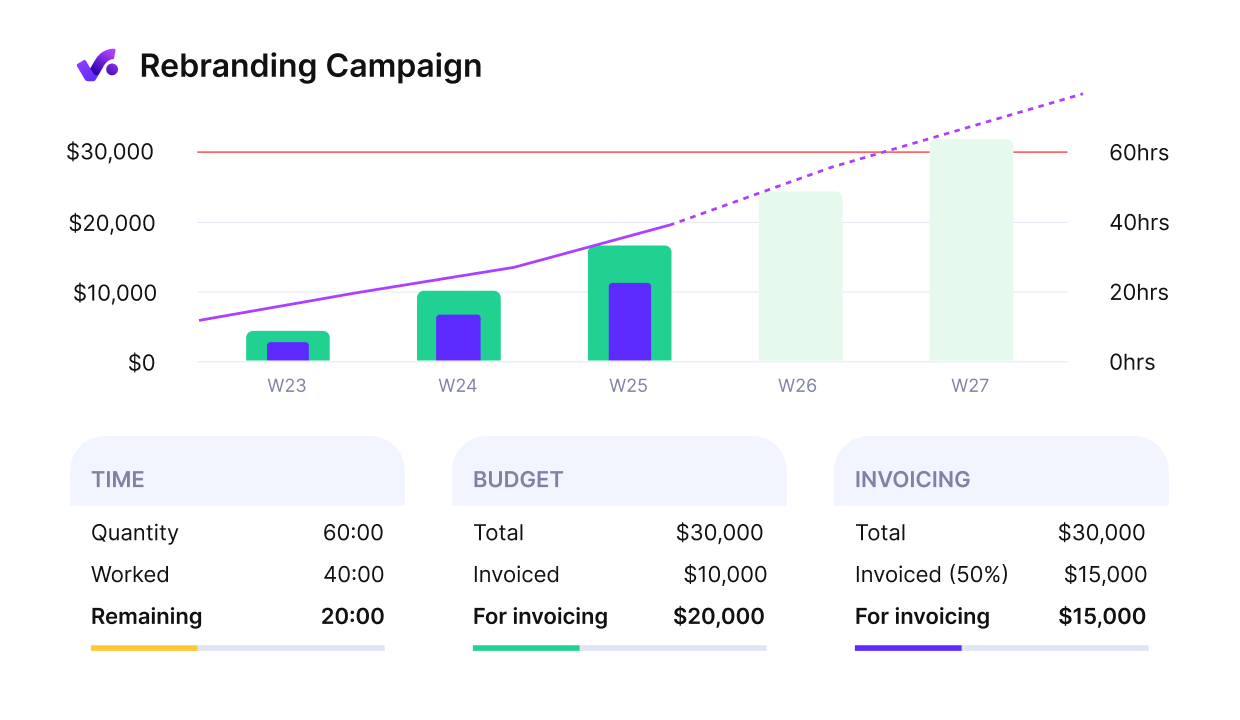
What Is Value Based Pricing & How To Apply It (2026 Guide)
You charge per hour worked. Simple and common for beginners.
Pros: Easy to track, fair if scope changes, clients understand it. Cons: Caps your earnings (time for money), encourages slow work, feels transactional.
Best for: Ongoing work like virtual assistance, or when projects are unpredictable.
Average rates in 2026: Beginners $25-50/hour, mid-level $50-100, experts $100-200+ (higher for specialized fields like AI consulting or marketing).
Quote a set price for the whole deliverable.
Pros: Clients love predictability, you win if you work fast, scalable. Cons: Risk of scope creep (extra revisions eat your profit), hard to estimate accurately at first.
Best for: Defined projects like a website build, branding package, or one-off consulting report.
Tip: Build in buffers—add 20-50% for revisions. Use contracts with clear scopes.
Similar to hourly but for blocks of time.
Pros: Higher perceived value, good for intensive work. Cons: Still time-based.
Common for consultants: $800-2,000/day in 2026.
Client pays a fixed monthly fee for ongoing access/support.
Pros: Recurring income (stability!), builds long-term relationships. Cons: Can lead to overwork if not bounded.
Best for coaches/consultants: Monthly coaching packages or ongoing strategy advice. Many charge $2k-10k/month for high-value retainers.
Charge based on the value/results you deliver to the client, not your time.
Pros: Unlimited earning potential, aligns with outcomes, attracts better clients. Cons: Harder to justify (need proof of ROI), risk if results flop.
Best for experienced coaches/consultants: E.g., if your advice helps a client make $100k more, charge $20k-30k (a percentage of value).
This is huge in 2026—top freelancers are shifting here for bigger payoffs.
Turn services into fixed “products” with set prices and scopes.
Pros: Easy to sell, scalable, feels premium. Cons: Less flexible.
Great for coaches: Bronze/Silver/Gold packages (e.g., 3-month coaching for $5k).
Many combine these—hourly for small stuff, value-based for big wins.
You sell expertise and transformation, so lean away from hourly. It undervalues your impact.
Real talk: Start with project/packages to build testimonials, then move to value-based as you prove results.
We’ve all made these—learn from others!
In 2026, with AI tools helping everyone, standing out means charging for your unique human touch.
Pricing is part art, part science—and it evolves. Start with your baseline, pick a model that fits your style/clients, and adjust as you go.
Homework:
You’ve got incredible value to offer—don’t shortchange yourself. Charge confidently, deliver amazingly, and watch your freelance life thrive.
What pricing model are you using right now? Drop a comment—I’d love to chat and help tweak it. You’ve got this! 🚀
P.S. If this helped, share it with a fellow freelancer. Good vibes all around. 😊
