0
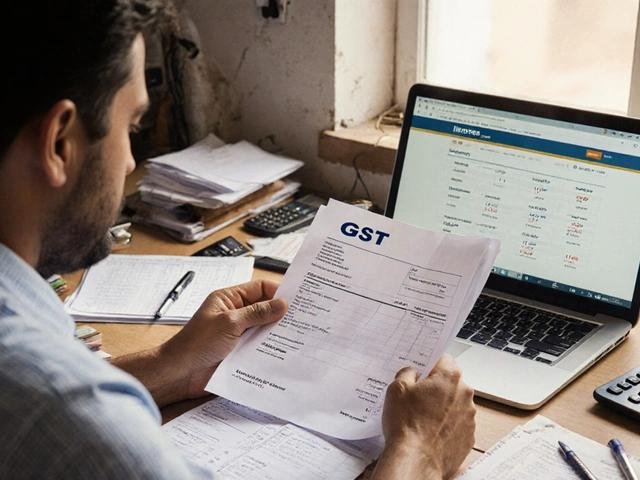
Understanding the Changing GST Landscape in India
The Goods and Services Tax (GST) has become an important part of India’s taxation system. Introduced in July 2017, GST brought several indirect taxes under one framework. Its main objective is to create a more unified tax structure, improve transparency and make business transactions easier.With changing business requirements and digital developments, GST continues to evolve. Recent GST reforms have focused on simplifying tax rates, reducing compliance difficulties and providing relief to consumers and businesses.Latest GST Developments in November 2026The 57th GST Council meeting, held on October 8, 2026, recommended several important changes to make tax administration more business-friendly.Some key developments include:Easier GST Registration: Simplified procedures are being introduced to reduce paperwork and make registration more predictable.Faster Refunds: Measures have been recommended to help businesses receive eligible GST refunds more quickly.
These developments could make GST compliance easier, particularly for small businesses, online sellers and entrepreneurs. Faster refunds may also help businesses manage their working capital more efficiently.
Conclusion
GST is gradually moving towards a more digital, transparent and taxpayer-friendly system. The latest reforms indicate that the focus is not just on collecting taxes but also on making compliance easier for individuals and businesses.