0
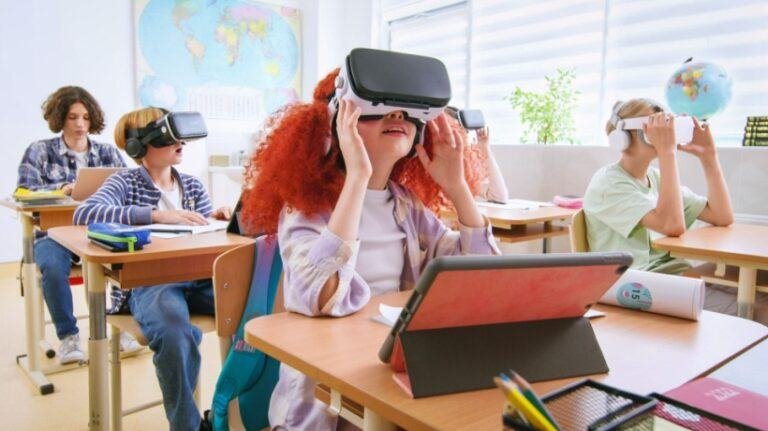
Education is changing faster than ever before. Earlier, learning was mostly limited to textbooks, classrooms and examinations. Today, students have access to a much wider world of knowledge through technology, online platforms and practical learning opportunities. The modern education system is gradually moving towards a more flexible approach that focuses not only on academic marks but also on creativity, communication and real-world skills.
One of the biggest changes in education is the growing importance of skill-based learning. Employers are increasingly looking for candidates who can apply their knowledge to solve practical problems. As a result, students are exploring additional courses in artificial intelligence, digital marketing, data analytics, financial literacy and computer programming alongside their regular degrees.
Technology Is Making Learning Easier
Digital education has opened new opportunities for students, particularly those who cannot always access traditional classroom facilities. Online lectures, educational applications, recorded sessions and virtual study materials allow learners to study according to their own schedules.
Artificial intelligence is also becoming a useful learning companion. Students can use AI-powered tools to understand difficult topics, practise questions, improve writing and organise their study plans. However, technology should support independent thinking rather than replace it.
Practical Knowledge Matters More Than Ever
A degree provides academic knowledge, but practical experience helps students understand how that knowledge works in professional environments. Internships, workshops, group projects and short-term certification programmes can help learners develop confidence and workplace skills.
The Importance of Learning New Skills
Education should not stop after graduation. Industries continue to evolve, and professionals need to update their knowledge to remain competitive. Continuous learning helps individuals explore new career opportunities and adapt to changing job requirements.
Conclusion
The future of education is not just about completing degrees or scoring high marks. It is about developing curiosity, gaining practical knowledge and building skills that remain useful throughout life. Students who combine academic learning with real-world experience can prepare themselves for a more confident and successful future.